
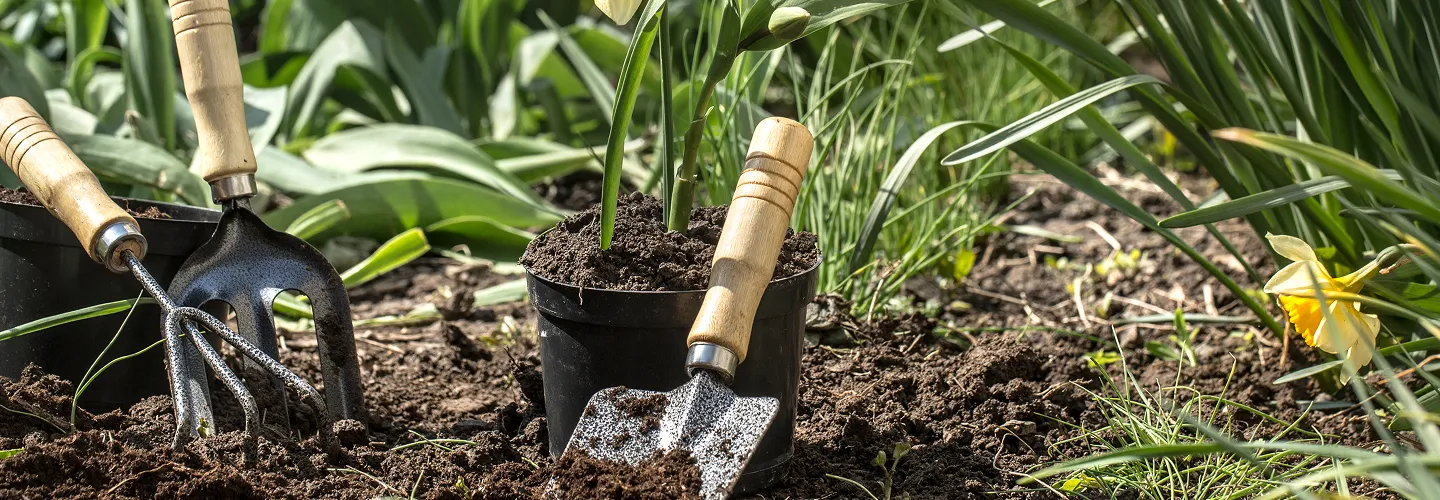
Woodbridge Flower Bed Maintenance Services
Choose our expert Flower Bed Maintenance for lush, healthy blooms and a weed-free landscape—enjoy professional care that keeps your garden looking its best year-round.
Get a Free QuoteOur Woodbridge Landscaping & Yard Care Services
When to Schedule Flower Bed Maintenance in Woodbridge, Connecticut – Seasonal Guide
In Woodbridge, Connecticut, the timing of flower bed maintenance is closely tied to our region’s unique climate and landscape. With cold winters and warm, humid summers, the best periods for comprehensive flower bed care are early spring—after the last frost—and early fall, before the first hard freeze. Neighborhoods near the West River and around Beecher Road School often experience microclimates, so it’s important to monitor local conditions. Early spring is ideal for cleaning up beds, dividing perennials, and applying fresh mulch, while fall is perfect for removing spent annuals and preparing soil for winter.
Local environmental factors such as late spring frosts, periods of summer drought, and the rich, sometimes clay-heavy soils found in areas like Racebrook Road all play a role in determining the best maintenance schedule. Shade from mature trees in neighborhoods like Amity Road can affect soil moisture and plant health, while municipal guidelines may restrict certain activities during peak precipitation months. For more information on local climate and gardening resources, visit the Sudbury town website.
Local Factors to Consider for Flower Bed Maintenance in Woodbridge
- Tree density and shade coverage, especially in established neighborhoods
- Soil type and drainage, which can vary from sandy to clay-rich
- Average precipitation and risk of summer drought
- Frost dates and seasonal temperature swings
- Terrain and slope, impacting water runoff and erosion
- Municipal restrictions on watering or chemical use during certain months
Benefits of Flower Bed Maintenance in Woodbridge
Enhanced Curb Appeal
Weed and Pest Prevention
Healthier Plant Growth
Seasonal Color and Variety
Professional Expertise
Time and Effort Savings
Woodbridge Flower Bed Maintenance Types

Seasonal Mulching
-
Weed Control
-
Soil Amendment
-
Edging and Trimming
-
Annual Planting
-
Deadheading and Pruning
-
Fertilization Services
Our Flower Bed Maintenance Process
Site Evaluation
Weed Removal
Soil Preparation
Plant Care
Mulching
Why Choose Woodbridge Landscape Services
-
Woodbridge Homeowners Trust Us
-
Expert Lawn Maintenance
-
Reliable Seasonal Cleanup
-
Competitive Pricing
-
Professional Team
-
Satisfaction Guarantee
-
Personalized Service
Managing Flower Bed Maintenance in Woodbridge’s Glacial Till and Drainage Conditions
Flower bed maintenance in Woodbridge, CT requires careful consideration of the town’s predominant glacial till soils, which are typically classified as Inceptisols and Ultisols according to the USDA Web Soil Survey. These soils are often rocky, moderately acidic (pH 5.5-6.5), and can exhibit poor drainage, especially in low-lying areas. To promote healthy plant growth, it is recommended to incorporate 2-3 inches of compost tilled to a 6-inch depth and to conduct soil testing through UConn Extension (typical cost: $15-25). Lime applications may be necessary if pH falls below 6.0. Mulching flower beds with 2-3 inches of organic material helps retain moisture and suppress weeds. For site-specific guidance on drainage improvements or soil amendments, residents may consult:
Woodbridge Department of Public Works
11 Meetinghouse Lane, Woodbridge, CT 06525
Phone: (203) 389-3420
Official Website: Woodbridge Department of Public Works
Seasonal Timing and Weather Considerations for Flower Bed Care in Woodbridge
Woodbridge is located in USDA Hardiness Zone 6b, with average last frost dates in late April and first frost dates in late October. Optimal planting and maintenance windows for perennial flower beds are April 15 to June 1 in spring and September 1 to October 15 in fall. Avoid major soil disturbance or fertilizer application during July and August, when heat stress is common. Monitor local weather forecasts through the National Weather Service New York, NY Office to plan maintenance around rainfall and temperature extremes. Key timing guidelines include:
- Spring mulching: April 15 - May 15
- Fertilization: Early May and early September
- Pruning perennials: March or late October
- Avoiding work during saturated soil conditions to prevent compaction
Compliance with Woodbridge’s Wetland Buffers and Stormwater Regulations
Properties near wetlands, streams, or conservation areas in Woodbridge must adhere to strict buffer and disturbance regulations. The standard no-disturbance buffer is 25 feet from delineated wetlands, and all fertilizer or pesticide applications are prohibited within this zone. The Woodbridge Conservation Commission oversees enforcement and reviews any proposed work within regulated areas. Additionally, flower bed debris and clippings must not be deposited in storm drains, in accordance with the town’s MS4 permit under the Clean Water Act and Connecticut Environmental Protection Act. For questions about buffer zones or regulated activities:
Woodbridge Conservation Commission
11 Meetinghouse Lane, Woodbridge, CT 06525
Phone: (203) 389-3400
Official Website: Woodbridge Conservation Commission
Plant Selection and Native Species Recommendations for Woodbridge Flower Beds
Selecting appropriate plant species for Woodbridge’s climate and soils is essential for sustainable flower bed maintenance. Recommended native and adapted perennials include:
- Full sun: Black-eyed Susan (Rudbeckia hirta), purple coneflower (Echinacea purpurea), daylily (Hemerocallis spp.)
- Partial shade: Coral bells (Heuchera americana), astilbe (Astilbe spp.), hosta (Hosta spp.)
- Deer resistant: Lavender (Lavandula angustifolia), Russian sage (Perovskia atriplicifolia), salvia (Salvia nemorosa)
- Native pollinator options: Wild bergamot (Monarda fistulosa), Joe Pye weed (Eutrochium purpureum), cardinal flower (Lobelia cardinalis) Spacing should be 12-24 inches depending on mature plant size. For additional guidance, consult UConn Extension for plant selection and pest management resources.
Municipal Collection Schedules and Debris Disposal Protocols for Flower Bed Maintenance
Proper disposal of flower bed debris in Woodbridge is regulated by the Department of Public Works. Yard waste collection occurs every Thursday from April through November. Accepted materials include leaves, grass clippings, and brush under 4 feet in length, placed in biodegradable bags or reusable bins (32-gallon maximum). Plastic bags and branches over 4 inches in diameter are prohibited. Residents must place containers curbside by 7:00 AM on collection day. For large quantities or off-schedule disposal, the town transfer station is available during posted hours. For up-to-date collection schedules and disposal guidelines:
Woodbridge Department of Public Works
11 Meetinghouse Lane, Woodbridge, CT 06525
Phone: (203) 389-3420
Official Website: Woodbridge Department of Public Works
What Neighborhoods Do We Serve Throughout Woodbridge, CT?
- Beecher Road Area: Characterized by mature trees, moderate slopes, and glacial till soils with moderate drainage. Flower bed maintenance here often requires additional soil amendment and deer-resistant plantings.
- Racebrook Estates: Features larger lots with newer developments, well-drained soils, and open exposures. Maintenance is influenced by sun exposure and wind, favoring drought-tolerant species.
- Amity Road Corridor: Includes mixed residential and commercial properties, with compacted soils and higher traffic. Flower beds in this area benefit from raised beds and regular soil aeration.
- West River District: Proximity to the West River and associated wetlands necessitates strict buffer compliance and careful selection of moisture-tolerant plants.
- Pease Road Vicinity: Known for historic homes and established landscaping, with shaded lots and acidic soils. Maintenance often involves managing leaf litter and selecting shade-adapted perennials.
- Litchfield Turnpike Area: Contains properties near conservation lands, requiring adherence to wetland buffer regulations and use of native species to support pollinators and wildlife.