
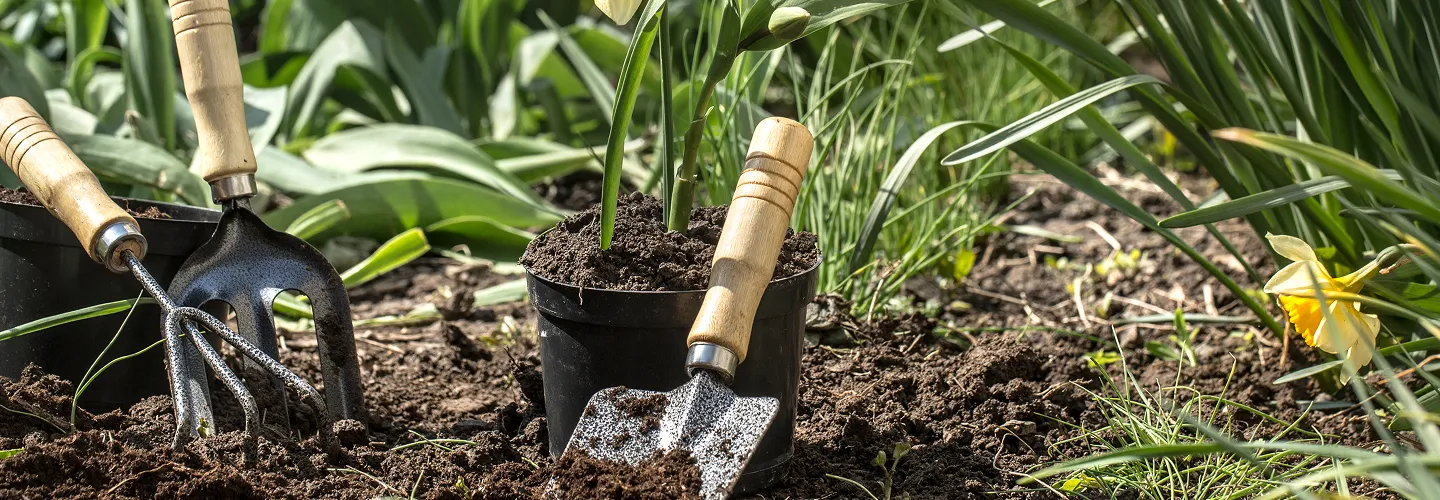
Woodbridge Lawn Edging Services
Choose our Lawn Edging services for precise, durable borders that elevate your curb appeal and make lawn maintenance effortless—ensuring your landscape always looks its best.
Get a Free QuoteOur Woodbridge Landscaping & Yard Care Services
When to Schedule Lawn Edging in Woodbridge, Connecticut – Seasonal Guide
In Woodbridge, Connecticut, the best times to schedule lawn edging are typically in early spring and late summer. These periods align with the region’s moderate temperatures and consistent rainfall, which help grass recover quickly after edging. Woodbridge’s climate, characterized by cold winters and humid summers, means that edging too early in the spring can risk damage from lingering frost, while late fall edging may not allow enough time for turf to heal before winter sets in. Neighborhoods near the West Rock Ridge State Park or along Racebrook Road often experience varying shade coverage and soil moisture, which can influence the ideal timing for lawn care services.
Local environmental factors such as the town’s clay-heavy soils, the risk of summer droughts, and the prevalence of mature tree canopies in areas like Amity and Beecher Road all play a role in determining when to edge your lawn. It’s also important to consider municipal guidelines and seasonal restrictions, which can be found on the Town of Sudbury’s website, to ensure compliance with local landscaping ordinances.
Local Factors to Consider for Lawn Edging in Woodbridge
- Tree density and shade coverage, especially in neighborhoods near West Rock Ridge
- Soil type and drainage, with clay soils requiring different care than sandy areas
- Seasonal precipitation patterns and drought risk
- Frost dates and temperature fluctuations in early spring and late fall
- Terrain and slope, which can affect water runoff and grass growth
- Municipal restrictions or guidelines on landscaping activities
Benefits of Lawn Edging in Woodbridge

Enhanced Curb Appeal
Professional Installation
Long-Lasting Materials
Low Maintenance Solutions
Custom Design Options
Improved Lawn Health

Woodbridge Lawn Edging Types

Plastic Lawn Edging
Durable and flexible, ideal for creating clean lines in landscaping projects.
-
Metal Lawn Edging
Provides a sleek, modern look and long-lasting boundary for garden beds.
-
Stone Lawn Edging
Natural stone offers a classic, timeless border for lawns and flower beds.
-
Brick Lawn Edging
Traditional brick edging adds charm and structure to any landscape design.
-
Concrete Lawn Edging
Sturdy and customizable, perfect for defining walkways and garden areas.
-
Wood Lawn Edging
Rustic wooden borders blend seamlessly with natural landscapes.
-
Rubber Lawn Edging
Eco-friendly and flexible, suitable for curved or irregular garden borders.
Our Lawn Edging Process
Site Evaluation
Marking Edges
Cutting the Edge
Debris Removal
Final Inspection
Why Choose Woodbridge Landscape Services
-
Woodbridge Homeowners Trust Us
-
Expert Lawn Maintenance
-
Reliable Seasonal Cleanup
-
Competitive Pricing
-
Professional Team
-
Satisfaction Guarantee
-
Personalized Service
Lawn Edging and Drainage Compliance in Woodbridge’s Glacial Till Soils
Lawn edging in Woodbridge, CT, requires careful consideration of the town’s predominant glacial till soils, which are typically stony, moderately acidic (pH 5.5-6.5), and often poorly drained. Proper edging installation must account for these conditions to prevent water pooling and soil erosion, especially in areas with a seasonal water table at 12-18 inches. Recommended practices include setting edging materials at least 2 inches below grade and incorporating gravel or sand for improved drainage. Soil testing is advised prior to installation, with services available through UConn Extension, typically costing $15-25 per sample. For detailed soil mapping, consult the USDA Web Soil Survey. Coordination with the municipal Department of Public Works is essential for projects near public rights-of-way or drainage infrastructure.
Woodbridge Department of Public Works
11 Meetinghouse Lane, Woodbridge, CT 06525
Phone: (203) 389-3420
Official Website: Woodbridge Department of Public Works
Equipment Operation Hours and Noise Ordinance for Lawn Edging in Woodbridge
Woodbridge enforces specific noise and equipment operation ordinances for outdoor maintenance, including lawn edging. The municipal code permits powered equipment use during the following hours:
- Monday-Friday: 7:00 AM - 7:00 PM
- Saturday: 8:00 AM - 6:00 PM
- Sunday and holidays: Prohibited Operators must ensure all equipment is fitted with functional mufflers and does not exceed 85 decibels at the property line. Violations may result in fines or stop-work orders. When working near public roads or sidewalks, safety cones and high-visibility vests are required. All personnel must use ANSI Z87.1 safety glasses, hearing protection for noise above 85 dB, and steel-toed boots. For questions regarding compliance or to report violations, contact the municipal police department.
Woodbridge Police Department
4 Meetinghouse Lane, Woodbridge, CT 06525
Phone: (203) 387-2511
Official Website: Woodbridge Police Department
Stormwater Protection and Wetland Buffer Requirements for Edging Projects in Woodbridge
Lawn edging projects in Woodbridge must comply with both local and state stormwater management regulations to protect wetlands, streams, and the West River watershed. The Connecticut Environmental Protection Act and the town’s MS4 permit prohibit the discharge of soil, mulch, or debris into storm drains or water bodies. A 25-foot no-disturbance buffer is required from all designated wetlands, and a 50-foot setback applies for fertilizer or chemical applications. Edging installations within these zones may require review by the Conservation Commission, with a typical permit review period of 10 business days. All debris must be collected and disposed of according to municipal guidelines. For further guidance, consult the town’s stormwater program and the state’s MS4 stormwater requirements.
Woodbridge Conservation Commission
11 Meetinghouse Lane, Woodbridge, CT 06525
Phone: (203) 389-3400
Official Website: Woodbridge Conservation Commission
Woodbridge Stormwater Management Program
11 Meetinghouse Lane, Woodbridge, CT 06525
Phone: (203) 389-3420
Official Website: Woodbridge Stormwater Management Program
Seasonal Timing and Weather Considerations for Lawn Edging in Woodbridge’s Climate Zone
Woodbridge is located in USDA Hardiness Zone 6b, with average last frost dates in late April and first frost in late October. Optimal timing for lawn edging is mid-April through early June or September through mid-October, when soil temperatures are between 50-65°F and moisture levels are moderate. Avoid edging during July-August due to heat stress and potential soil compaction. Monitor local weather forecasts through the National Weather Service New York, NY office for rainfall and temperature updates. For best results, schedule edging after light rainfall to ease soil cutting but avoid saturated conditions. Annual maintenance is recommended each spring to maintain crisp edges and prevent turf encroachment. For additional climate and timing guidance, consult USDA Plant Hardiness Zone Map.
What Neighborhoods Do We Serve Throughout Woodbridge, CT?
- Beecher Road Area: Characterized by mature trees, moderate slopes, and glacial till soils with poor drainage, requiring careful edging placement and debris management.
- Racebrook Estates: Features larger lots with clay-rich soils and higher water tables, making drainage and wetland buffer compliance critical for all edging projects.
- Amity Road Corridor: Includes mixed residential and commercial properties, with compacted urban soils and frequent utility easements that necessitate coordination with municipal departments.
- West River District: Proximity to the West River and associated wetlands imposes strict buffer requirements and heightened stormwater protection measures for all landscaping activities.
- Pease Road Vicinity: Newer developments with engineered soils and improved drainage, but HOA guidelines may specify edging materials and maintenance standards.
- Center Road Historic Area: Historic properties with stone walls and narrow setbacks, requiring sensitivity to preservation standards and potential permit review for visible landscape changes.
- Litchfield Turnpike Area: Includes properties near conservation lands and public parks, where access limitations and environmental protections influence edging methods and debris disposal.