
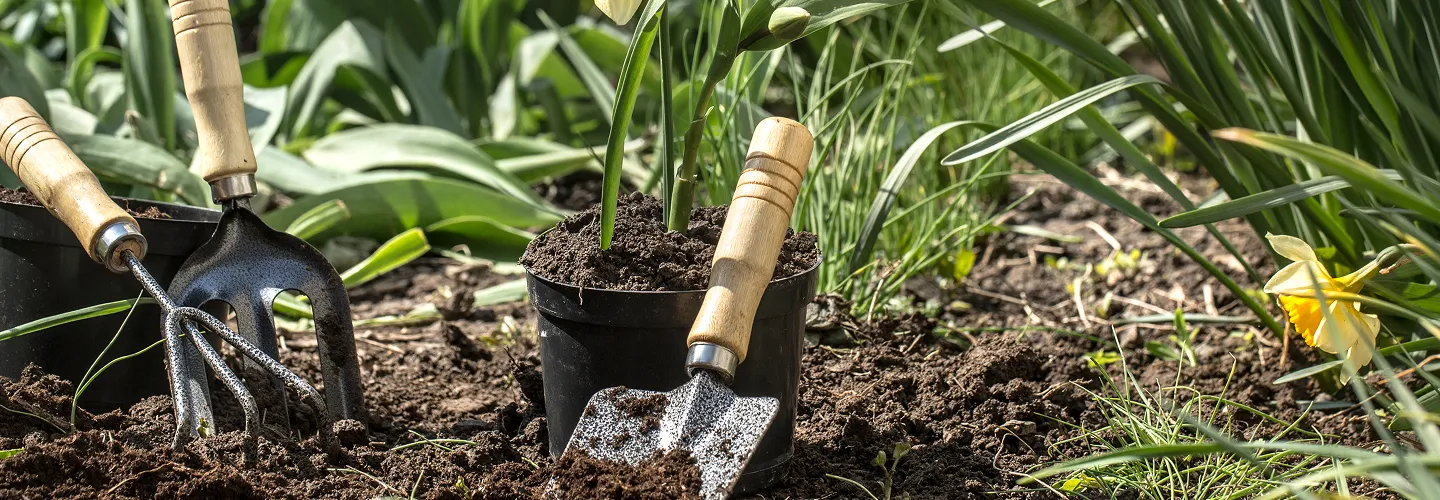
Woodbridge Lawn Renovation Services
Choose our expert Lawn Renovation services for a lush, healthy, and beautiful yard—our experienced team uses proven techniques and premium materials to restore your lawn’s vitality, boost curb appeal, and create an outdoor space you’ll love.
Get a Free QuoteOur Woodbridge Landscaping & Yard Care Services
When to Schedule Lawn Renovation in Woodbridge, Connecticut – Seasonal Guide
In Woodbridge, Connecticut, the best times for lawn renovation are typically early fall and late spring. These periods offer moderate temperatures and consistent rainfall, which are ideal for seed germination and root establishment. The local climate, characterized by humid summers and cold winters, means that timing your renovation to avoid extreme heat or frost is crucial. For example, neighborhoods near the West River or close to Beecher Road School often experience microclimates due to varying shade coverage and soil moisture, impacting the optimal renovation window.
Local environmental factors such as the average last frost date in late April and the risk of summer droughts should guide your planning. Areas with dense tree canopies, like those near Racebrook Tract, may require special attention to soil acidity and sunlight availability. Additionally, municipal guidelines and resources, such as those provided by the Town of Sudbury, can offer valuable insights into best practices and seasonal restrictions.
Local Factors to Consider for Lawn Renovation in Woodbridge
- Tree density and shade coverage, especially in wooded neighborhoods
- Soil type and drainage, which can vary between upland and riverside areas
- Typical precipitation patterns and risk of summer drought
- Terrain slope and potential for erosion
- Local municipal restrictions or recommendations on renovation timing
Benefits of Lawn Renovation in Woodbridge

Enhanced Curb Appeal
Improved Lawn Health
Increased Property Value
Expert Local Knowledge
Efficient Project Completion
Customized Landscaping Solutions
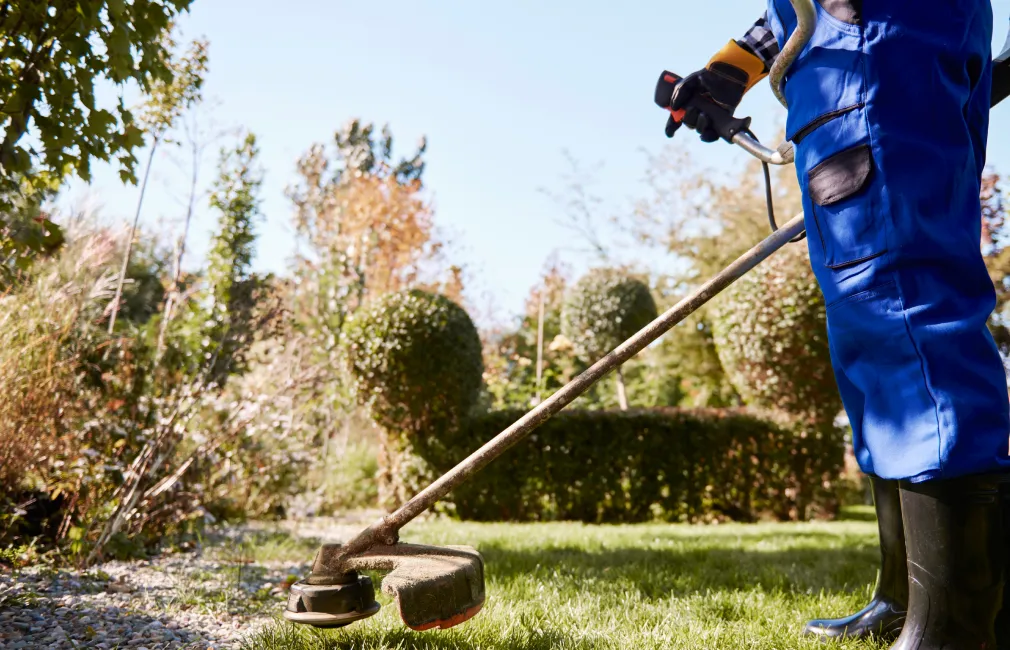
Woodbridge Lawn Renovation Types

Sod Installation
-
Overseeding
-
Soil Aeration
-
Topdressing
-
Weed Removal
-
Dethatching
-
Grading and Leveling
Our Lawn Renovation Process
Site Evaluation
Soil Preparation
Seeding or Sodding
Watering and Fertilization
Ongoing Maintenance
Why Choose Woodbridge Landscape Services

-
Woodbridge Homeowners Trust Us
-
Expert Lawn Maintenance
-
Reliable Seasonal Cleanup
-
Competitive Pricing
-
Professional Team
-
Satisfaction Guarantee
-
Personalized Service
Addressing Woodbridge’s Glacial Till Soils in Lawn Renovation
Lawn renovation in Woodbridge requires careful consideration of the town’s predominant glacial till soils, which are typically classified as Inceptisols and Ultisols. These soils are often rocky, moderately acidic (pH 5.5-6.5), and can exhibit poor drainage, especially in low-lying areas. Before renovation, it is recommended to conduct a soil test through UConn Extension (typical cost: $15-25) to determine pH and nutrient needs. Common amendments include lime for pH below 6.0 and compost incorporation (2-3 inches tilled to 6-inch depth) to improve structure. Core aeration should reach 2-3 inches to address compaction. For detailed soil mapping, consult the USDA Web Soil Survey. Coordination with the municipal department is advised for projects near public rights-of-way.
Woodbridge Department of Public Works
11 Meetinghouse Lane, Woodbridge, CT 06525
Phone: (203) 389-3420
Official Website: Woodbridge Department of Public Works
Seasonal Timing and Weather Considerations for Lawn Renovation in Woodbridge
Woodbridge is located in USDA Hardiness Zone 6b, with a growing season typically from mid-April to late October. Optimal timing for lawn renovation activities such as seeding, aeration, and dethatching is:
- Spring: April 15 – May 30 (soil temperature 50-65°F)
- Fall: August 20 – September 30 (before first frost, typically late October) Avoid renovation during June-August due to heat stress and drought risk. Monitor local weather forecasts through the National Weather Service New York, NY Office for rainfall and temperature trends. For cool-season grasses, fertilize in early May and again in September. Irrigation should supplement rainfall to maintain 1-1.5 inches of water per week during establishment. Delaying renovation outside these windows can result in poor germination and increased weed pressure.
Municipal Regulations and Equipment Operation Standards in Woodbridge
Lawn renovation activities in Woodbridge are subject to municipal ordinances regarding equipment operation and noise. The following hours apply for powered equipment:
- Monday-Friday: 7:00 AM – 7:00 PM
- Saturday: 8:00 AM – 6:00 PM
- Sunday and holidays: Prohibited Operators must ensure all equipment is fitted with functional mufflers and noise does not exceed 85 decibels at property lines. For projects involving soil disturbance near wetlands or conservation areas, a permit may be required from the Conservation Commission. Maintain a 25-foot no-disturbance buffer from wetlands and avoid placing debris in storm drains, as required by the town’s MS4 permit under the Clean Water Act. For permit applications and compliance guidance:
Woodbridge Conservation Commission
11 Meetinghouse Lane, Woodbridge, CT 06525
Phone: (203) 389-3400
Official Website: Woodbridge Conservation Commission
Environmental Compliance: Stormwater, Wetlands, and State Regulations
Lawn renovation in Woodbridge must comply with both local and state environmental regulations. The Connecticut Environmental Protection Act and the town’s MS4 stormwater permit prohibit the discharge of soil, grass clippings, or chemicals into storm drains. Maintain a minimum 25-foot buffer from wetlands and 50 feet from open water when applying fertilizers or pesticides. Only licensed applicators may use restricted-use pesticides, and all applications must follow label rates (e.g., 2-3 lbs nitrogen per 1,000 sq ft annually). For additional guidance on stormwater management and environmental compliance, consult:
Woodbridge Stormwater Management Program
11 Meetinghouse Lane, Woodbridge, CT 06525
Phone: (203) 389-3420
Official Website: Woodbridge Stormwater Management Program
Connecticut Department of Energy and Environmental Protection
79 Elm Street, Hartford, CT 06106
Phone: (860) 424-3000
Official Website: Connecticut Department of Energy and Environmental Protection
What Neighborhoods Do We Serve Throughout Woodbridge, CT?
- Beecher Road Area: Characterized by mature trees and moderate slopes, this area often faces soil compaction and drainage challenges, requiring deep aeration and careful water management.
- Racebrook Estates: Features larger lots with a mix of open lawns and wooded buffers; renovation projects here must consider proximity to wetlands and conservation easements.
- Amity Road Corridor: Includes commercial and residential properties with variable soil fill and frequent traffic, necessitating attention to soil quality and safe equipment operation.
- Woodfield Village: A planned community with HOA landscaping standards, requiring compliance with specific turf species and maintenance schedules.
- Pease Road Vicinity: Contains properties near the Wepawaug River, where strict buffer zones and stormwater controls are enforced to protect water quality.
- Center Road Historic District: Historic homes with established lawns and shade trees, where renovation must balance preservation with modern turf management practices.
- West Rock Ridge Border: Adjacent to protected parkland, this area has rocky soils and steep grades, demanding specialized equipment and erosion control measures.