
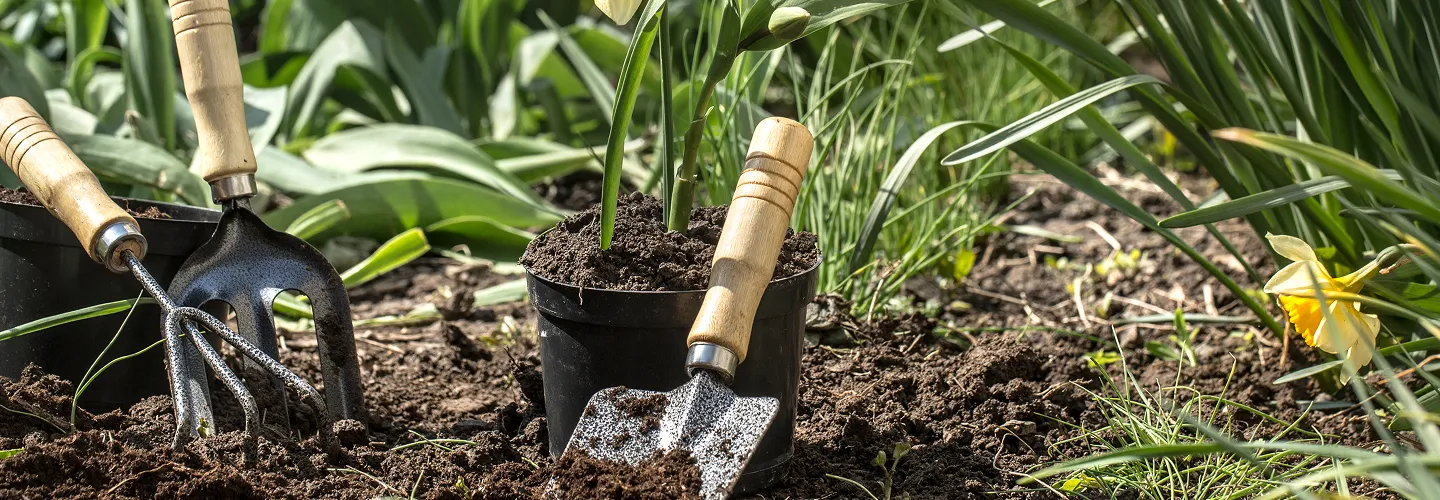
Woodbridge Hedging Services
Choose our professional hedging services for expertly shaped, healthy, and vibrant hedges that enhance your property’s curb appeal, provide privacy, and require minimal maintenance year-round.
Get a Free QuoteOur Woodbridge Landscaping & Yard Care Services
When to Schedule Hedging in Woodbridge, Connecticut – Seasonal Guide
In Woodbridge, Connecticut, the best times to schedule hedging are typically late spring and early fall. These periods align with the region’s moderate temperatures and reduced risk of frost, which is especially important for maintaining the health of hedges in neighborhoods like Amity and along Racebrook Road. The local climate, characterized by humid summers and cold winters, means that hedging too early in spring or too late in fall can expose plants to stress from unexpected frosts or drought conditions.
Woodbridge’s diverse landscape—from shaded lots near the West River to open, sun-drenched properties by the Woodbridge Green—means that factors like soil type, shade coverage, and proximity to water sources play a significant role in determining the optimal hedging schedule. Homeowners should also be aware of municipal guidelines and seasonal precipitation patterns, which can affect both the timing and frequency of maintenance. For more information on local environmental considerations, visit the Town of Sudbury’s resource page.
Local Factors to Consider for Hedging in Woodbridge
- Tree density and canopy coverage in your neighborhood
- Terrain variations, such as slopes or low-lying areas
- Average precipitation and risk of summer drought
- Frost dates and temperature fluctuations
- Municipal restrictions or guidelines on landscaping
- Soil composition and drainage characteristics
Benefits of Hedging in Woodbridge
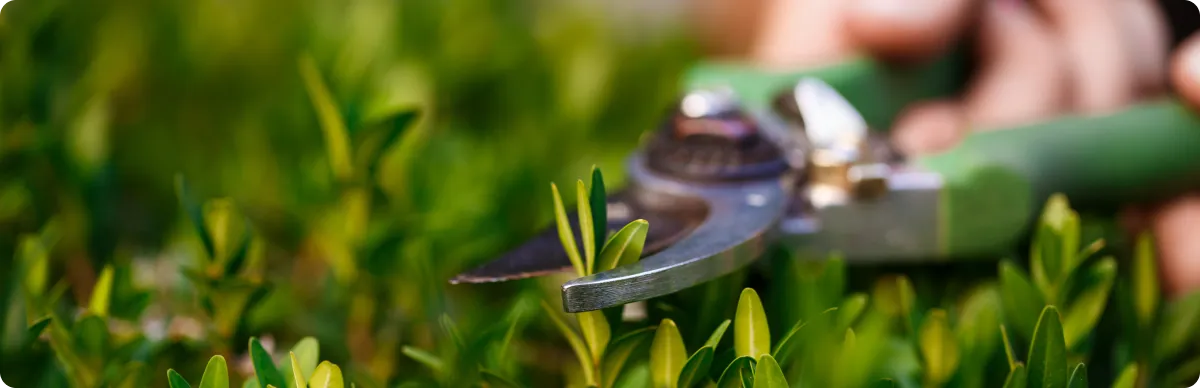
Enhanced Curb Appeal
Increased Property Value
Improved Privacy
Professional Maintenance
Customized Hedge Designs
Expert Local Knowledge
Woodbridge Hedging Types

Boxwood Hedges
-
Privet Hedges
-
Yew Hedges
-
Laurel Hedges
-
Hornbeam Hedges
-
Beech Hedges
-
Holly Hedges
Our Hedging Process
Consultation and Planning
Site Preparation
Precision Trimming
Cleanup and Inspection
Why Choose Woodbridge Landscape Services
-
Woodbridge Homeowners Trust Us
-
Expert Lawn Maintenance
-
Reliable Seasonal Cleanup
-
Competitive Pricing
-
Professional Team
-
Satisfaction Guarantee
-
Personalized Service
Hedging Regulations and Permit Requirements in Woodbridge
Hedging activities in Woodbridge are subject to specific municipal ordinances and zoning requirements, particularly regarding property lines, sightlines, and protected areas. The Woodbridge Town Plan and Zoning Commission oversees regulations on hedge height, placement, and species selection, with a standard maximum height of 6 feet for front yard hedges and 8 feet for side and rear yards. Permits are required for new hedge installations exceeding these limits or for work within 50 feet of wetlands. Application fees typically range from $25 to $75, with a review period of 10 business days. Residents must maintain a 25-foot buffer from designated wetlands and comply with setback requirements of 10 feet from public rights-of-way. For detailed guidance and permit applications:
Woodbridge Town Plan and Zoning Commission
11 Meetinghouse Lane, Woodbridge, CT 06525
Phone: (203) 389-3403
Official Website: Woodbridge Town Plan and Zoning Commission
Soil and Site Considerations for Hedging in Woodbridge’s Glacial Till Landscapes
Woodbridge’s predominant soils, as identified by the USDA Web Soil Survey, are Inceptisols and Ultisols formed from glacial till, characterized by moderate acidity (pH 5.5-6.5), stony texture, and poor drainage in low-lying areas. These conditions require careful site preparation for hedging, including:
- Soil testing (available through UConn Extension; $15-25 per test)
- Incorporation of 2-3 inches of compost to a 6-inch depth
- Lime application if pH is below 6.0
- Installation of French drains or raised beds in areas with seasonal water tables at 12-18 inches Spacing for hedge plants should be 18-24 inches apart to ensure density and root establishment. For technical assistance, consult:
UConn Extension
1376 Storrs Road, Storrs, CT 06269
Phone: (860) 486-9228
Official Website: UConn Extension
Environmental Compliance: Wetland Buffers and Stormwater Management for Woodbridge Hedges
Hedging near Woodbridge’s wetlands, streams, and conservation areas is regulated under the Connecticut Environmental Protection Act and the town’s MS4 stormwater permit. A 25-foot no-disturbance buffer is required from all designated wetlands, and no fertilizer or pesticide application is permitted within 50 feet of water bodies. Clippings and debris must not enter storm drains, in accordance with Clean Water Act and local MS4 requirements. The Woodbridge Conservation Commission provides oversight and guidance on compliance:
Woodbridge Conservation Commission
11 Meetinghouse Lane, Woodbridge, CT 06525
Phone: (203) 389-3400
Official Website: Woodbridge Conservation Commission
For state-level environmental questions:
Connecticut Department of Energy and Environmental Protection
79 Elm Street, Hartford, CT 06106
Phone: (860) 424-3000
Official Website: Connecticut Department of Energy and Environmental Protection
Equipment Operation Hours and Safety Standards for Hedging in Woodbridge
Operation of power hedge trimmers and related equipment in Woodbridge is governed by municipal noise ordinances. Permitted hours are:
- Monday-Friday: 7:00 AM - 7:00 PM
- Saturday: 8:00 AM - 6:00 PM
- Sunday and holidays: Prohibited All operators must use equipment with functioning mufflers, and noise levels must not exceed 85 decibels at property lines. Safety protocols require:
- ANSI Z87.1 safety glasses
- Hearing protection for equipment over 85 dB
- Steel-toed boots and cut-resistant gloves
- 15-foot clearance from overhead power lines The Woodbridge Department of Public Works enforces these standards and can provide further information:
Woodbridge Department of Public Works
11 Meetinghouse Lane, Woodbridge, CT 06525
Phone: (203) 389-3420
Official Website: Woodbridge Department of Public Works
Plant Selection and Climate Adaptation for Hedges in Woodbridge’s USDA Zone 6b
Woodbridge is located in USDA Hardiness Zone 6b, with average annual minimum temperatures of -5°F to 0°F. Recommended hedge species for this climate include:
- Inkberry holly (Ilex glabra)
- American arborvitae (Thuja occidentalis)
- Winterberry (Ilex verticillata)
- Eastern red cedar (Juniperus virginiana)
- Boxwood (‘Green Mountain’ and ‘Winter Gem’ cultivars) Planting is best scheduled for April 15 - May 30 or September 1 - October 15, when soil temperatures are 50-65°F. For deer-prone areas, consider American holly or inkberry. For further guidance on species selection and planting windows, consult the USDA Plant Hardiness Zone Map and UConn Extension.
What Neighborhoods Do We Serve Throughout Woodbridge, CT?
- Beecher Road Area: Features mature landscapes and large lots with stony, moderately acidic soils; hedging projects here often require soil amendment and careful drainage planning.
- Racebrook Estates: Newer developments with compacted fill soils and moderate slopes; attention to root establishment and erosion control is essential for successful hedging.
- Amity Road Corridor: Proximity to wetlands and conservation lands means strict buffer enforcement and native species selection are critical for compliance.
- Woodbridge Center: Historic district with established tree canopy and narrow setbacks; hedging must comply with height restrictions and maintain sightlines for traffic safety.
- Pease Road Vicinity: Properties near streams and floodplains require adherence to stormwater management practices and wetland buffer regulations.
- Litchfield Turnpike Area: Mixed-use zone with variable soil drainage and overhead utilities; equipment access and safety clearances are key considerations.
- Johnson Road Neighborhood: Rural character with larger lots and deer pressure; selection of deer-resistant hedge species and maintenance of wide buffers are recommended.