
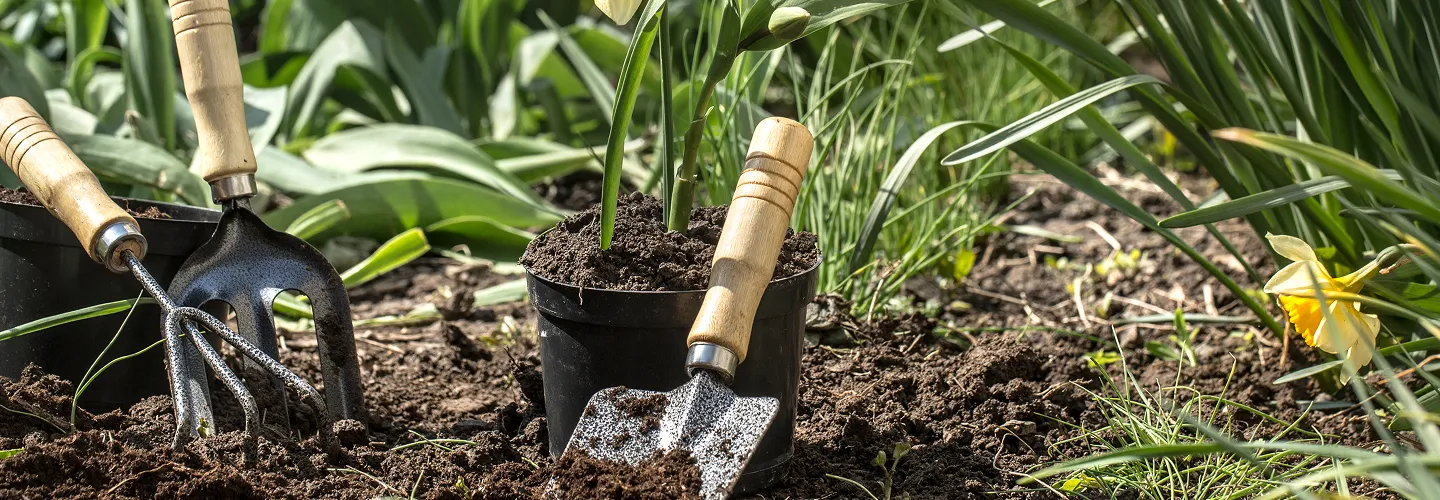
Woodbridge Plant Removal Services
Choose our plant removal services for safe, thorough, and eco-friendly solutions that restore your landscape’s beauty while saving you time and effort.
Get a Free QuoteOur Woodbridge Landscaping & Yard Care Services
When to Schedule Plant Removal in Woodbridge, Connecticut – Seasonal Guide
In Woodbridge, Connecticut, timing your plant removal is crucial for both the health of your landscape and compliance with local guidelines. The best periods for plant removal typically fall in late fall after the first frost or early spring before new growth begins. These windows take advantage of dormant plant cycles, minimizing stress on your yard and making removal more efficient. Woodbridge’s climate, with its cold winters and humid summers, means that soil conditions and plant health can vary significantly throughout the year. Areas near West Rock Ridge State Park or along Amity Road may experience heavier shade and denser soil, which can impact removal strategies. Additionally, neighborhoods like Beecher Road or the historic district often have mature trees and established gardens, requiring careful planning to avoid disrupting surrounding vegetation. Local environmental factors such as frost dates, the risk of summer drought, and the prevalence of clay-rich soils all play a role in determining the optimal time for plant removal. For more information on local regulations and environmental considerations, consult the Town of Sudbury’s resources.
Local Factors to Consider for Plant Removal in Woodbridge
- Tree density and proximity to structures
- Terrain slope and soil composition (e.g., clay or loam)
- Seasonal precipitation and drainage patterns
- Municipal restrictions or permit requirements
- Shade coverage from mature trees
- Risk of drought or excessive humidity
- Proximity to local landmarks or protected areas
Benefits of Plant Removal in Woodbridge

Expert Landscaping Team
Efficient Plant Removal
Eco-Friendly Disposal
Improved Curb Appeal
Customized Solutions
Competitive Pricing
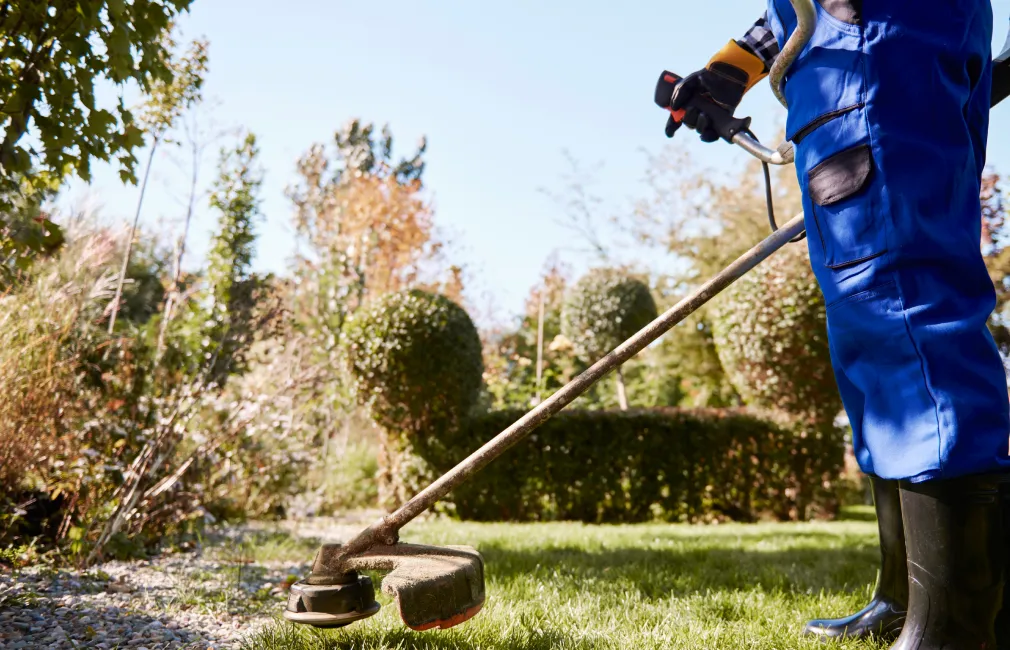
Woodbridge Plant Removal Types

Tree Removal
-
Shrub Removal
-
Stump Grinding
-
Invasive Species Removal
-
Hedge Removal
-
Root System Extraction
-
Overgrown Vegetation Clearing
Our Plant Removal Process
Site Evaluation
Preparation and Safety Measures
Plant Extraction
Debris Removal
Site Restoration
Why Choose Woodbridge Landscape Services

-
Woodbridge Homeowners Trust Us
-
Expert Lawn Maintenance
-
Reliable Seasonal Cleanup
-
Competitive Pricing
-
Professional Team
-
Satisfaction Guarantee
-
Personalized Service
Plant Removal Permitting and Municipal Coordination in Woodbridge
Plant removal activities in Woodbridge are subject to specific municipal regulations to ensure public safety, environmental protection, and compliance with local ordinances. Permits are required for the removal of trees over 6 inches in diameter at breast height (DBH), as well as for any plant removal within 50 feet of designated wetlands or conservation areas. The application fee is typically $50, with a review period of up to 10 business days. Equipment operation for plant removal is permitted during the following hours:
- Monday-Friday: 7:00 AM - 7:00 PM
- Saturday: 8:00 AM - 6:00 PM
- Sunday and holidays: Prohibited
All debris must be disposed of according to the town’s weekly yard waste collection schedule, which accepts biodegradable bags or 32-gallon containers. For guidance on permit applications and collection schedules, residents should coordinate with the Department of Public Works.
Woodbridge Department of Public Works
11 Meetinghouse Lane, Woodbridge, CT 06525
Phone: (203) 389-3420
Official Website: Woodbridge Department of Public Works
Soil Series and Site Conditions Affecting Plant Removal in Woodbridge
Woodbridge’s landscape is characterized by glacial till soils, primarily the Paxton and Montauk series, which are moderately to poorly drained and often stony. These soils typically have a pH range of 5.5 to 6.5, requiring careful consideration during plant removal to prevent erosion and soil compaction. Removal activities should avoid disturbing the top 6 inches of soil, especially on slopes or near water bodies, to maintain site stability. Soil testing is recommended prior to large-scale removal, with services available through UConn Extension. Best practices include:
- Scheduling removal when soils are not saturated (avoid early spring thaw)
- Using tracked equipment to minimize compaction
- Incorporating 2-3 inches of compost if replanting is planned
- Maintaining a 25-foot buffer from wetlands
For detailed soil mapping, consult the USDA Web Soil Survey.
Environmental Compliance: Wetland Buffers and Stormwater in Woodbridge
Plant removal near Woodbridge’s wetlands, streams, and conservation lands is regulated to protect sensitive habitats and water quality. A 25-foot no-disturbance buffer is enforced around all designated wetlands, and a 50-foot setback is required for major plant removal projects. The town’s MS4 stormwater permit, administered under the Clean Water Act, prohibits the disposal of plant debris or soil in storm drains. All removal activities must comply with the Connecticut Environmental Protection Act and local conservation ordinances. For projects near wetlands or conservation areas, coordinate with the Conservation Commission.
Woodbridge Conservation Commission
11 Meetinghouse Lane, Woodbridge, CT 06525
Phone: (203) 389-3400
Official Website: Woodbridge Conservation Commission
Safety Protocols and Equipment Standards for Plant Removal in Woodbridge
All plant removal operations in Woodbridge must adhere to municipal safety standards and equipment regulations. Operators are required to use commercial-grade equipment with functioning mufflers, and noise levels must not exceed 85 decibels at property lines. Personal protective equipment (PPE) is mandatory, including:
- Eye protection: ANSI Z87.1 safety glasses
- Hearing protection: Earmuffs or plugs for 85+ dB
- Footwear: Steel-toed boots with non-slip soles
- Gloves: Cut-resistant for pruning, chemical-resistant for herbicide use
Maintain a minimum 15-foot clearance from overhead power lines and follow all traffic control requirements when working near public roads. For additional safety guidance, consult the Department of Public Works.
Woodbridge Department of Public Works
11 Meetinghouse Lane, Woodbridge, CT 06525
Phone: (203) 389-3420
Official Website: Woodbridge Department of Public Works
What Neighborhoods Do We Serve Throughout Woodbridge, CT?
- Beecher Road Area: Features mature woodlands and moderately drained Paxton soils, requiring careful debris management and erosion control during plant removal.
- Racebrook Estates: Characterized by larger lots and proximity to Race Brook, with frequent wetland buffer considerations and seasonal access challenges.
- Amity Road Corridor: Includes mixed commercial and residential properties, compacted soils, and increased traffic, necessitating strict adherence to equipment operation hours and safety protocols.
- West River District: Adjacent to the West River and conservation lands, this area demands compliance with 25-foot wetland buffers and stormwater management requirements.
- Center Road Historic District: Contains older properties with stone walls and mature landscaping, where plant removal must respect historic features and local zoning restrictions.
- Pease Road Vicinity: Noted for sloped terrain and poorly drained soils, requiring specialized equipment and erosion prevention measures.
- Litchfield Turnpike Area: Features newer developments with HOA guidelines and access limitations, impacting scheduling and debris containment procedures.
State and Federal Environmental Oversight for Plant Removal in Woodbridge
Plant removal in Woodbridge is governed by both state and federal environmental regulations. The Connecticut Department of Energy and Environmental Protection (CT DEEP) enforces the Connecticut Environmental Protection Act, which mandates protection of wetlands, watercourses, and endangered species habitats. The town’s MS4 stormwater permit is regulated under EPA Region 1, requiring best management practices to prevent runoff and pollution. For technical guidance on plant removal, soil testing, and invasive species management, consult UConn Extension. Weather-related timing for removal projects should be planned using forecasts from the National Weather Service New York, NY Office, which covers Woodbridge and surrounding areas.